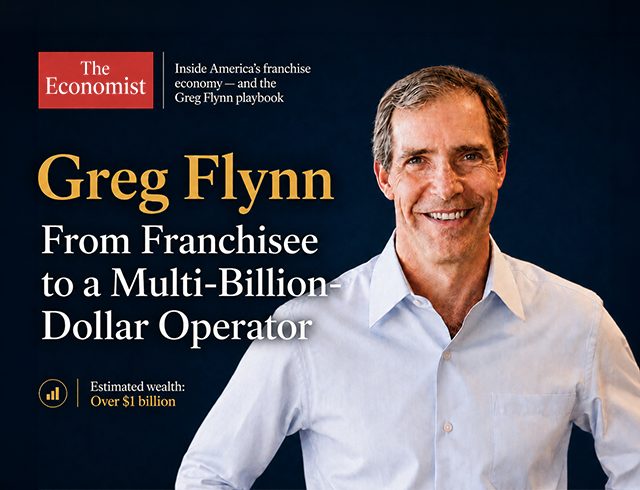
The Economist Spotlights the Franchise Economy
In May 2026, The Economist published two in-depth analyses—"Franchising Has Quietly Made Countless Americans Rich" and "Why the World Needs More Franchises"—highlighting the growing influence of franchising on the U.S. economy.
The magazine noted that the American franchise sector comprises approximately 850,000 franchise establishments, around 250,000 franchise business owners, and nearly 9 million jobs, generating economic activity equivalent to about 3% of U.S. GDP.
Among the individuals featured in The Economist's analysis was Greg Flynn, whose remarkable journey from operating just eight Applebee's restaurants to building a portfolio of more than 3,000 locations has become one of the most compelling examples of how franchise entrepreneurship can evolve into a multi-billion-dollar operating platform.
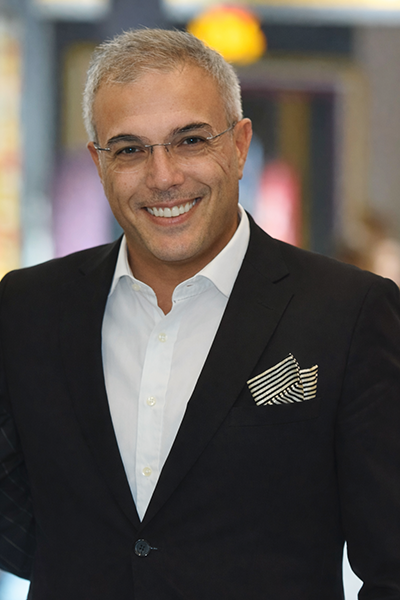
Özhan Erem's Commentary
Greg Flynn did not build a consumer brand. He built one of the world's largest franchise operating companies.
That distinction matters.
He is not remembered as a franchisor, but as a franchisee who mastered the art of creating value by acquiring multi-unit and multi-brand franchise rights, operating them with exceptional discipline, and scaling them into a multi-billion-dollar enterprise.
His journey is a powerful reminder that franchising is not only a growth strategy for brands—it is also one of the most effective wealth-building models available to professional operators.
The United States, as the birthplace of modern franchising, continues to produce not only iconic brands but also world-class franchise entrepreneurs capable of creating extraordinary enterprise value.
For investors and franchise brands around the world, Flynn's success sends a clear message: the greatest opportunity is not always in creating the next brand. Sometimes, it is in becoming the best operator of the world's best brands.
Franchising is no longer just a business model for opening another store. In the United States, it has evolved into a powerful engine of cash flow, operational discipline, wealth creation and institutional value.
That shift was recently highlighted by The Economist, which examined the scale and influence of the American franchise economy. The numbers tell a striking story: roughly 850,000 franchise establishments, around 250,000 business owners, nearly 9 million jobs and an economic footprint approaching 3% of U.S. GDP.
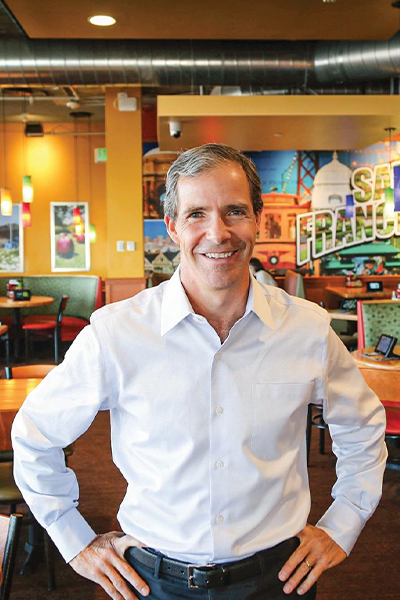
One of the most compelling examples is Greg Flynn, the founder and CEO of Flynn Group.
Flynn did not build his fortune by creating a consumer brand of his own. He built it as a franchisee — by acquiring, operating and scaling franchise rights across multiple brands and territories. Starting in 1999 with eight Applebee’s restaurants, Flynn went on to build one of the largest franchise operating platforms in the world.
Today, Flynn Group operates more than 3,000 restaurants and fitness clubs under brands such as Applebee’s, Arby’s, Taco Bell, Panera, Pizza Hut, Wendy’s and Planet Fitness. The company operates across 44 U.S. states, Australia and New Zealand, generating more than $5 billion in sales and employing over 78,000 people.
Flynn’s story challenges a common assumption: that the greatest value in franchising belongs only to the brand owner. In reality, the right franchise investor — with strong capital discipline, operational capability and a multi-unit growth strategy — can also build enormous enterprise value.
The ladder is clear:
Single-unit ownership,
multi-unit operations,
regional development,
master franchise rights,
multi-brand platforms,
and eventually, a business large enough to attract institutional capital.
This is where franchising enters a new phase.
A single restaurant or retail outlet may look small in isolation. But when disciplined operators bring hundreds or thousands of locations together under professional management, those individual units become a scalable business platform — one that can attract private equity, pension funds, family offices and strategic investors.
That is exactly what happened with Flynn Group. Although it remains privately held, it has drawn major institutional interest. In 2014, Ontario Teachers’ Pension Plan made a strategic investment in Flynn Restaurant Group in a deal that reportedly valued the company above $1 billion. In 2024, Reuters reported that Flynn Group was exploring strategic options at a valuation of more than $5 billion.
For Türkiye, this story carries an important message.
Türkiye already has strong franchise brands in food, coffee, döner, desserts, retail, personal care, education, automotive services, home services, sports, logistics and technology-enabled services. Many Turkish brands also have natural growth potential across Europe, the Middle East, North Africa, the Balkans, the Caucasus and the Turkic Republics.
The next stage for Türkiye’s franchise ecosystem, however, is not simply opening more outlets. It is building stronger investor profiles, multi-unit operating groups, regional franchise operators, professional field management structures, data-driven growth systems, corporate reporting standards and healthier financing channels.
The strength of franchising does not sit only with the franchisor or the individual investor. It lies in bringing the right brand, the right contract, the right capital, the right location and the right operational discipline together.
At Bayim Olur musun? — Be My Franchise — we have observed this transformation on the ground for years. Investor profiles are changing. Brand expectations are changing. Alongside single-unit investors, we now see more groups looking to open multiple locations, regional operators seeking scale, investors exploring international master franchise opportunities and capital groups evaluating brand acquisition and consolidation strategies.
The message is clear:
Franchising does not merely open stores.
It creates business owners.
It generates employment.
It produces cash flow.
It scales brands.
It gives investors a disciplined growth model.
And over time, it creates transferable enterprise value.
For portfolio management companies, venture capital funds, family offices and institutional investors in Türkiye, the franchise economy deserves to be read through this new lens.
It is a sector with real customer traffic, measurable unit-level performance, recurring revenue, growing purchasing power and clear exit potential when scale is achieved.
Why should Türkiye not produce its own major franchise operators, regional master franchise groups, multi-brand operating platforms and institutional growth stories?
The global franchise economy is moving to a new level.
Türkiye should not merely watch this transformation. With its brands, investors and capital structures, it should become one of the countries shaping it.