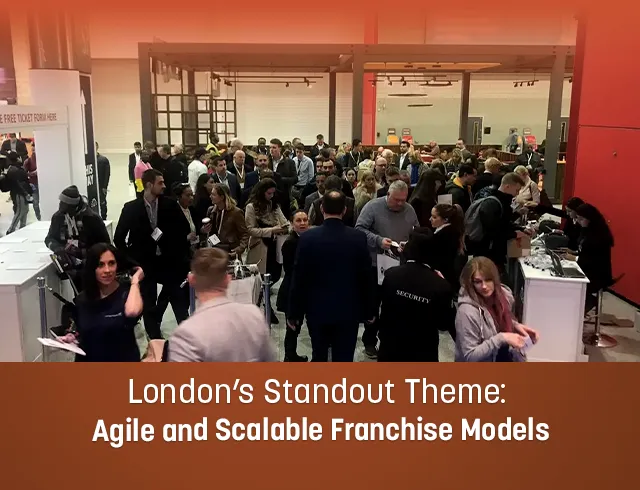
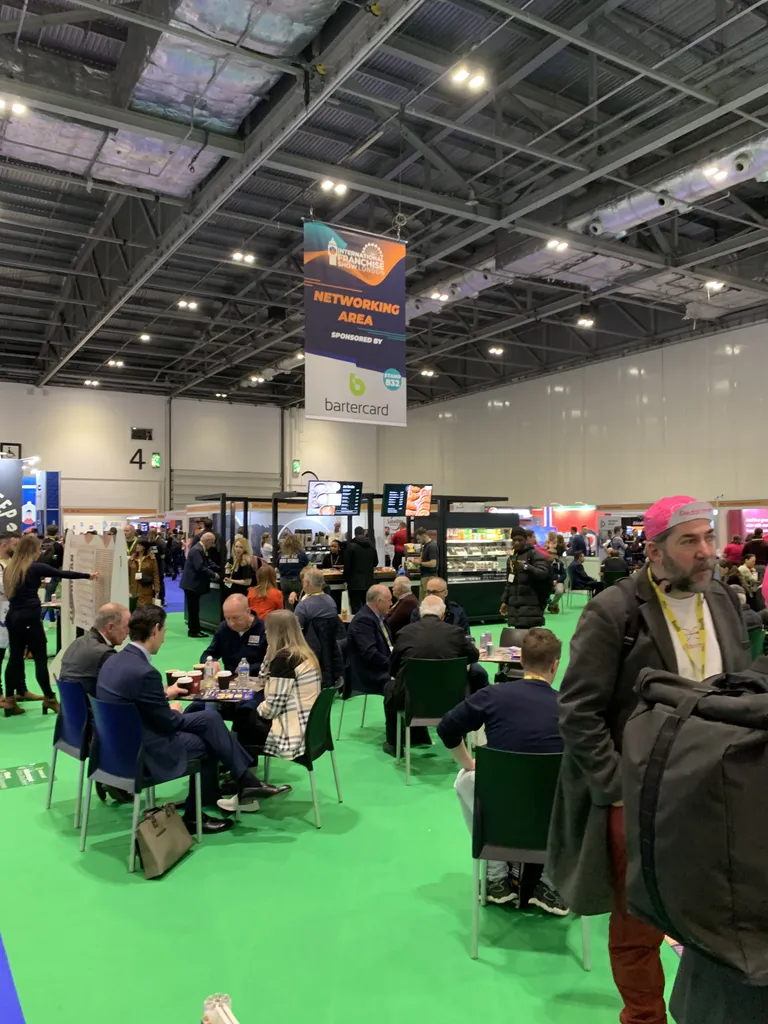
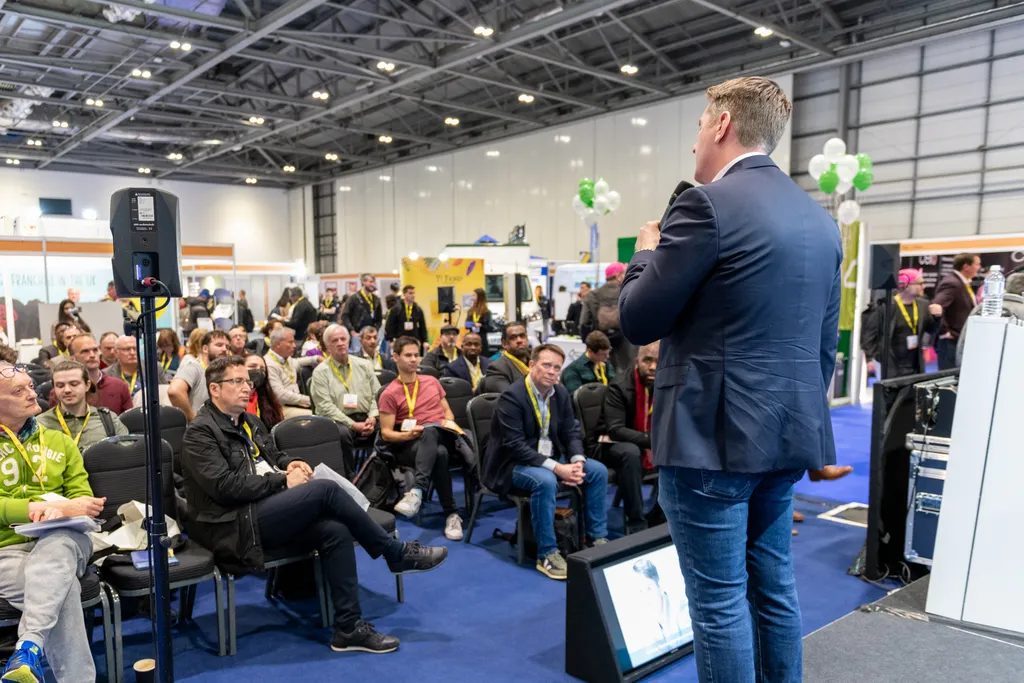
 This year’s London edition was once again a business-focused meeting point with strong content and a clear sense of where the international franchise market now stands. The fair’s structure and content programme offered visitors more than straightforward brand discovery; they also created space for comparison and for a more strategic assessment of new business opportunities.
The official figures reinforce that view. The event featured more than 250 participating brands, over 60 seminars and workshops, more than 50 international brands, and a target audience of over 11,000 entrepreneurs and business owners. Previous official post-show figures had already pointed to strong visitor numbers and solid exhibitor retention. Taken together, the London gathering stands as an established business platform within the European franchise ecosystem rather than just another stop on the trade fair circuit.
 IFA backing clearly strengthened the fair’s international weight
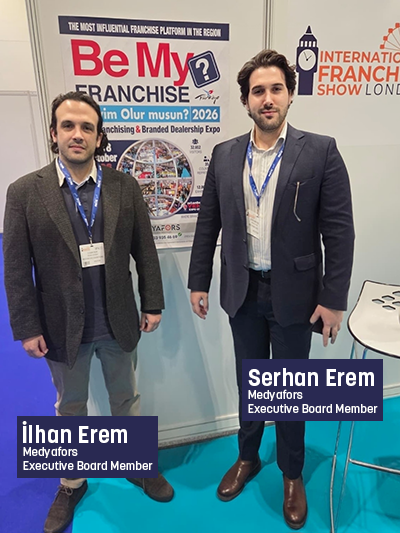
One of the year’s most significant features was the visibility of the International Franchise Association (IFA). The IFA’s presence was not merely symbolic; it was clearly woven into the event through both content and institutional representation, giving the show additional weight. That backing extended the London event well beyond the scope of a UK-centred franchise fair.
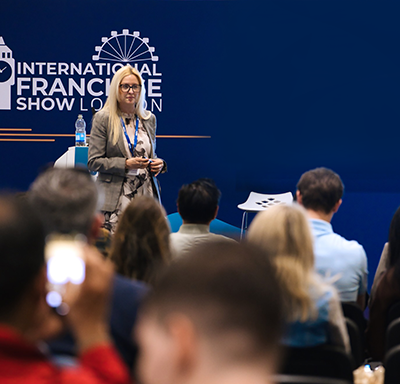
The message that stood out in the IFA’s communications before and during the event was clear: meaningful conversations, genuine opportunities and high-quality connections. Sessions centred on international market entry, cross-border franchise expansion, choosing the right brand and the discipline of building systems gave the fair a significance well beyond the usual stand-to-stand traffic.
London once again made the point that in franchise exhibitions, physical presence alone is no longer enough. Institutional weight and content quality now matter just as much. The IFA’s presence was one of the main factors raising the overall standard.
 This year’s central theme: agile and scalable franchise models
One of the clearest themes in London this year was the extent to which franchise investment is now being framed around more agile and more accessible models. Opportunities with lower entry thresholds, micro-franchise structures, single-operator systems and AI-supported operating models all carried greater prominence this year.
That direction also reflects the broader shift under way across the franchise market. It is no longer only large-capital investors who are visible in this space. A new generation of entrepreneurs is also looking for business models that are systematic, measurable, manageable and, relatively speaking, lower-risk. The London fair was among the events that recognised that shift early.
Technology-led discussions were particularly striking. Data use in franchisee recruitment, CRM infrastructure, operations management, payment systems, brand standardisation and AI-assisted process improvement are no longer side issues; they now sit at the centre of the business model. Data, process, training and sustainability are becoming the core pillars of this new franchise mindset.
Food and beverage remained strong, but the fair was not defined by it alone
Among the liveliest sections of the halls were, naturally, brands in QSR, food and beverage, and coffee. Yet one of the fair’s strengths was that, alongside this prominence, it also offered substantial breadth. Education, consultancy, child development, care services, health, fitness, home services and other service-led franchise models were represented in significant numbers.
That breadth made the fair more inclusive for an international visitor base. Today’s franchise investor is not looking only for a restaurant or café concept; they are also considering alternatives that are easier to manage, more adaptable to local markets, less burdened by staffing pressures, or aimed at different customer segments. The London event brought those alternatives together under the same roof.
Participating brands’ own posts reinforced the positive picture
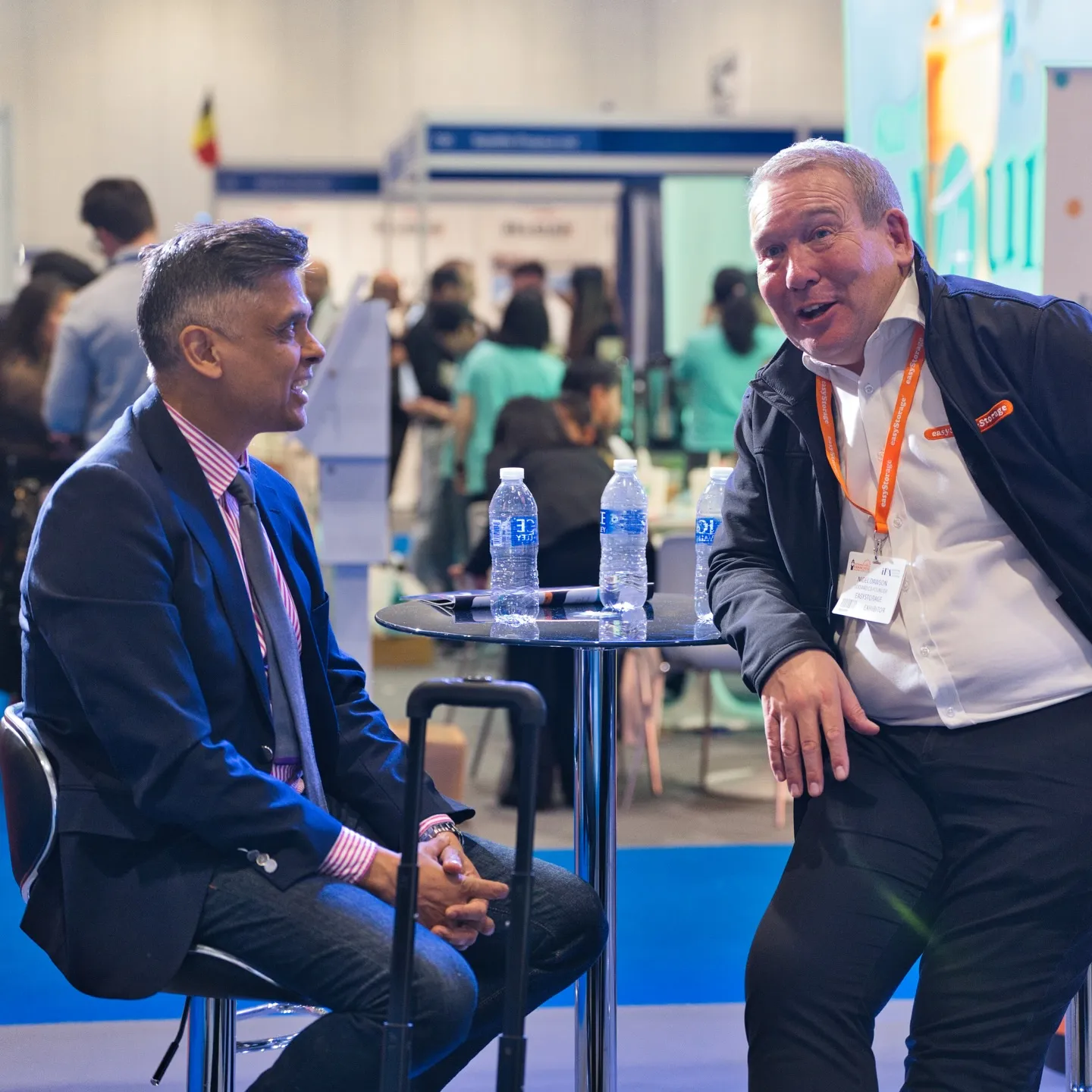
The fair’s success came through not only in the organiser’s communications, but also in the posts shared by participating brands themselves. Caprinos Pizza, for instance, stressed that it had met a large number of interested prospective partners and had established productive contacts. Posts of this kind suggest that the fair offered brands not only visibility, but also a direct platform for business development.
McDonald’s, for its part, emphasised the energy on the ground and the strength of the conversations, suggesting that the fair was an effective setting for both emerging brands and large, well-established corporate players. The active role played by major brands in the content programme was one of the factors that lifted both visitor quality and the event’s overall standing.
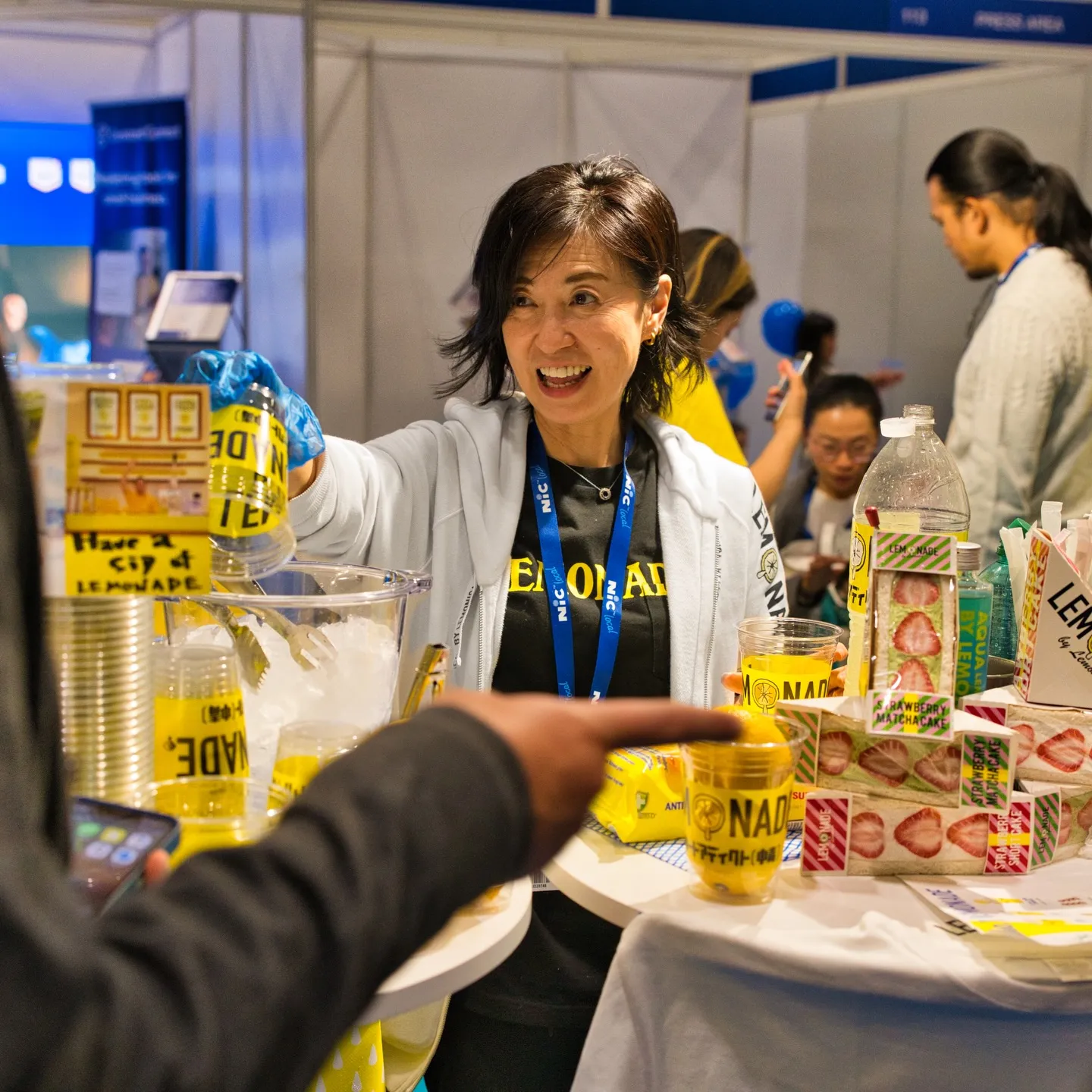
Likewise, Little Caesars highlighted its search for new partners; Hopscotch Montessori drew attention to its growth plans and new franchise partnership opportunities; and Eatphoria underlined its current momentum. The London event therefore offered participating brands more than stand space; it also gave them a credible platform from which to tell their growth story and reach investors more clearly.
The event also found a lively echo on social media
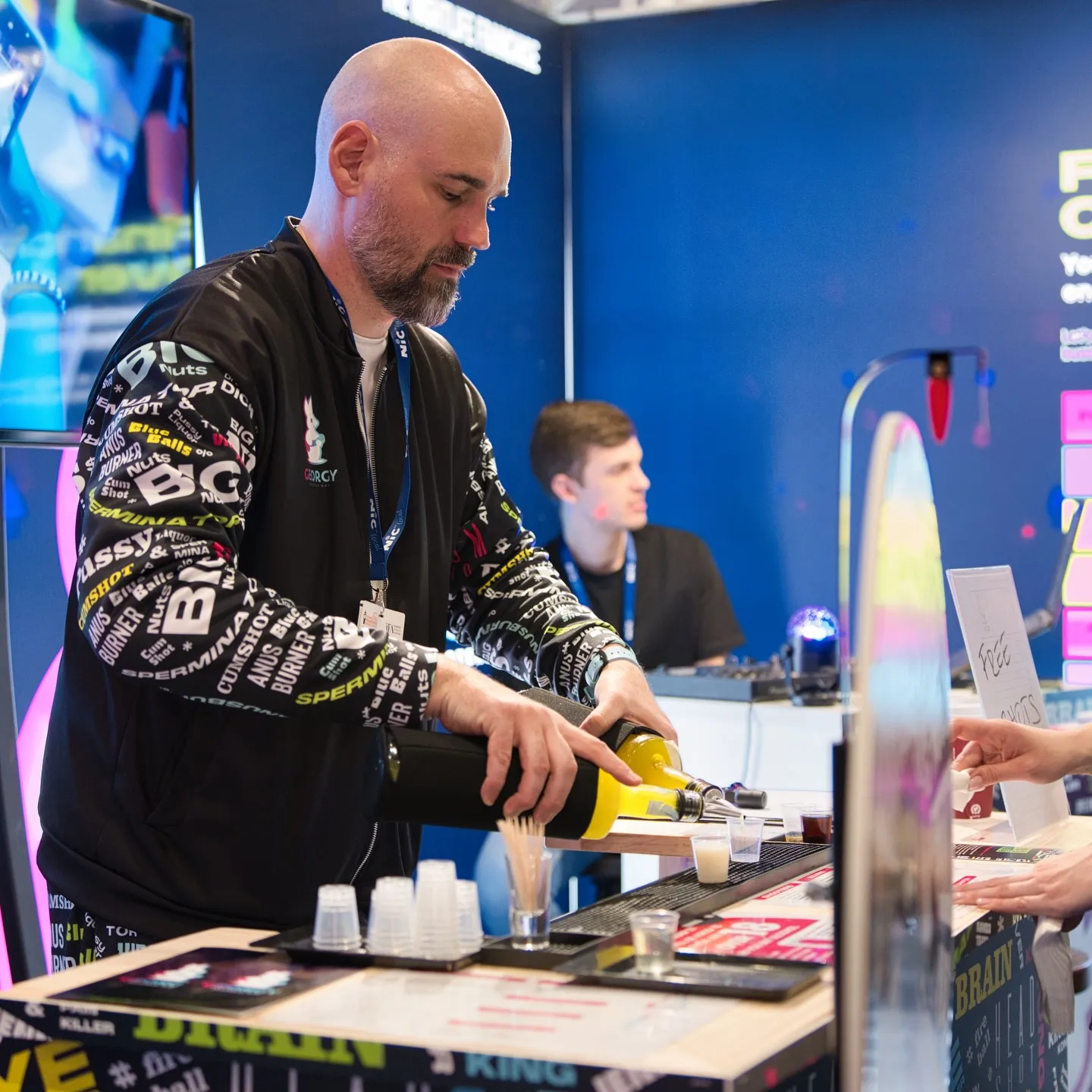
Content shared by organiser accounts, IFA posts, ExCeL London and various participating brands showed that the fair also generated a strong digital echo. Throughout the event, the language used across social media framed it not simply as a trade fair where people walk the aisles, but as a centre for business connections, new opportunities and international exchange.
Today, the impact of trade fairs is measured not only by what happens on the show floor, but also by their digital afterlife. The London event remained strong on that front as well. In particular, posts from the IFA and major brands helped reinforce the event’s corporate profile.
The message from London is clear for brands
From our point of view, the key question is this: what is this fair saying to brands?
First, in Europe and across the wider international franchise market, it is no longer enough simply to be a good brand. The brands that stand out are those that can speak clearly to investors, explain their business model plainly, demonstrate scalability and present a convincing profitability case.
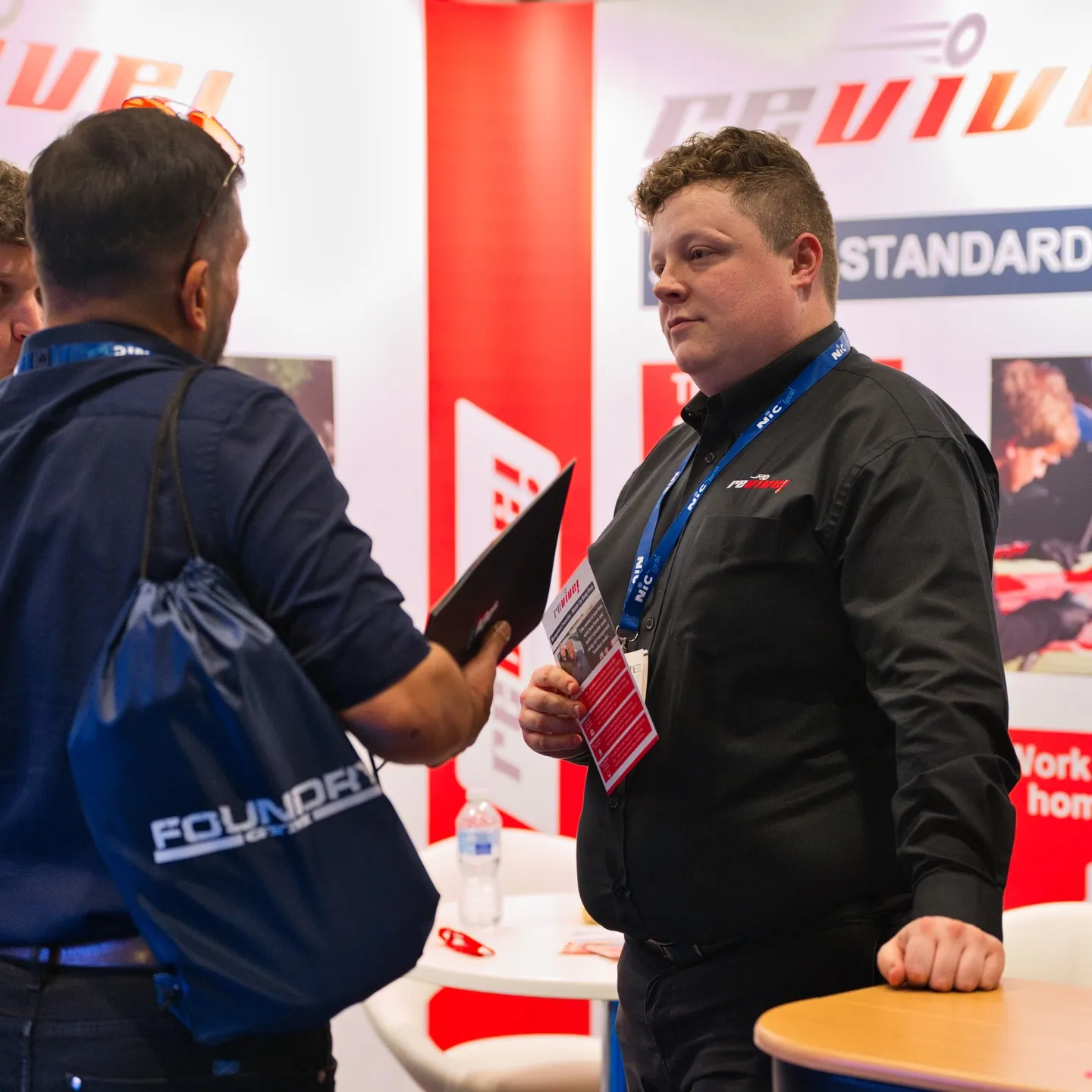
Second, presentation has become a decisive factor. The brands that drew attention in London were not only those with strong concepts; they were also those able to explain their system, ROI rationale, training structure and growth plan in clear terms. For brands, that is an important lesson. In the European market, it is no longer product quality alone that matters; the quality of the franchise proposition itself has become a direct competitive factor.
Third, appetite for multi-site growth and master franchise structures remains strong. For brands, this increases the importance of thinking not only in terms of a single unit, but also in terms of country representation or regional expansion models.
London remains a franchise showcase worth following
Taken as a whole, The International Franchise Show London 2026 once again delivered a strong edition through its organisational quality, depth of content, international visibility and range of brands. The IFA’s backing, the weight of the international agenda, positive feedback from participating brands and the strength of the social media response all underline the fair’s continuing importance among Europe’s franchise gatherings.
For us, the value of this event lies in more than a London dispatch. It also offered a useful way of seeing where the franchise world is heading, what investors are looking for, how brands are presenting themselves and how they are strategically positioning themselves on international platforms.
At Be My Franchise?, we care not only about following such international platforms, but also about reading them properly for our own market. The picture in London was another reminder that the potential Turkey holds in the franchise world can find a far stronger international response when it is presented with greater clarity.
Editor’s Note
The organiser has announced that the next London edition will take place in April 2027. Turkish brands considering taking part in this event, seeking to strengthen their visibility in Europe, or aiming to position themselves more effectively before international investors may wish to get in touch with the teams at Medyafors and Be My Franchise? in order to prepare more strategically and move forward with a stronger international presentation.