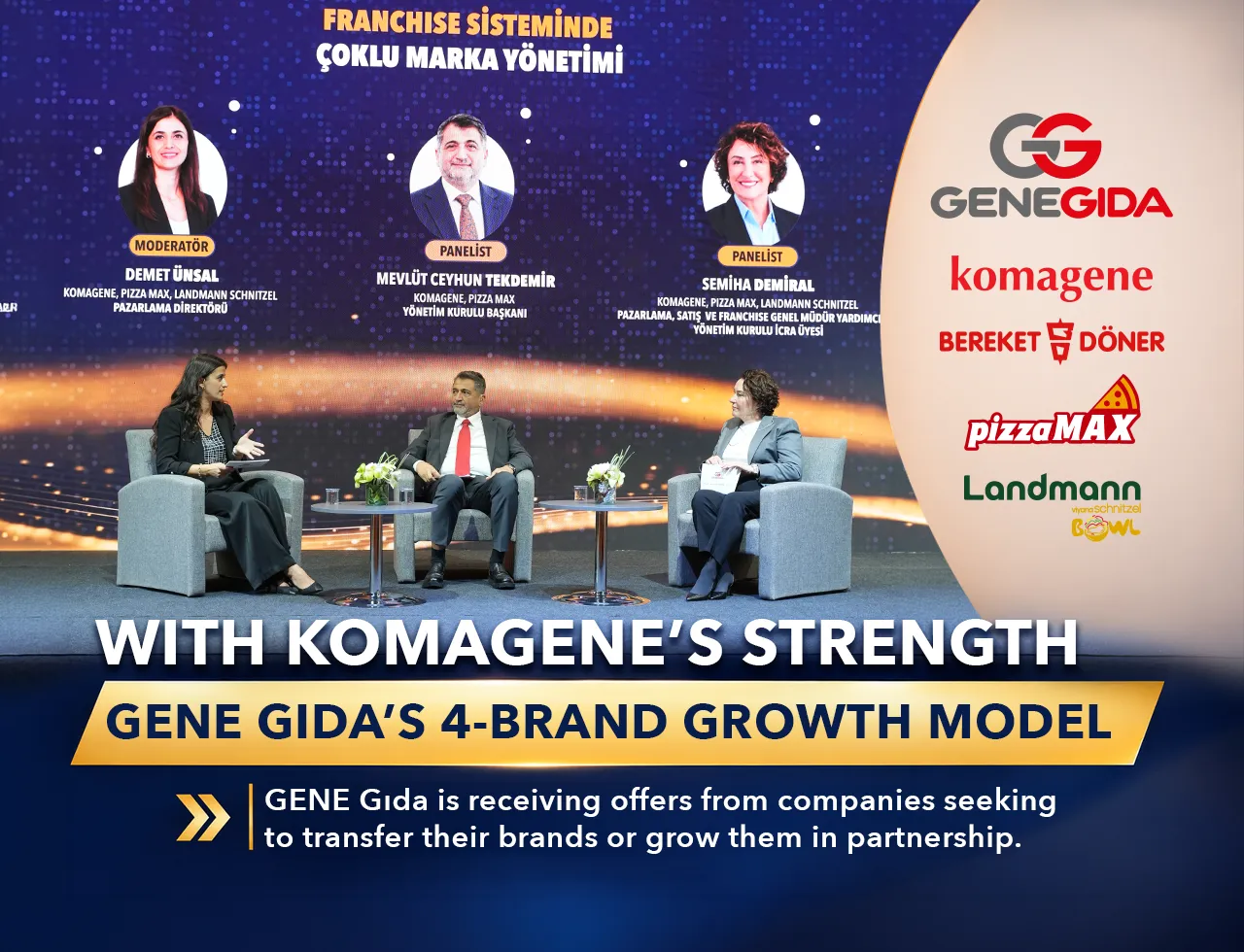
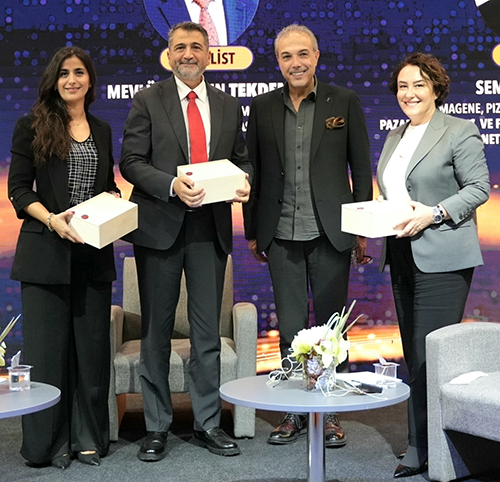
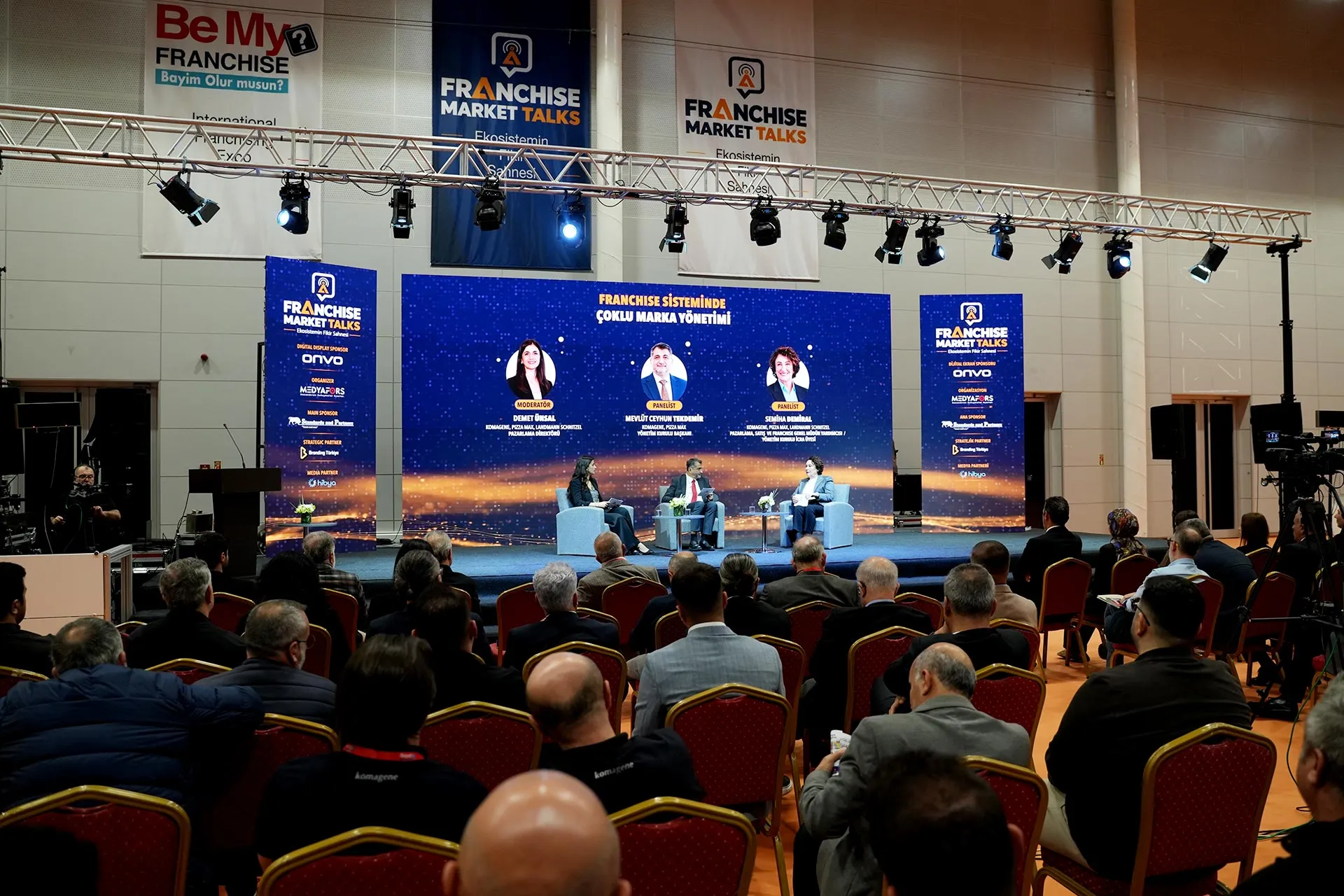
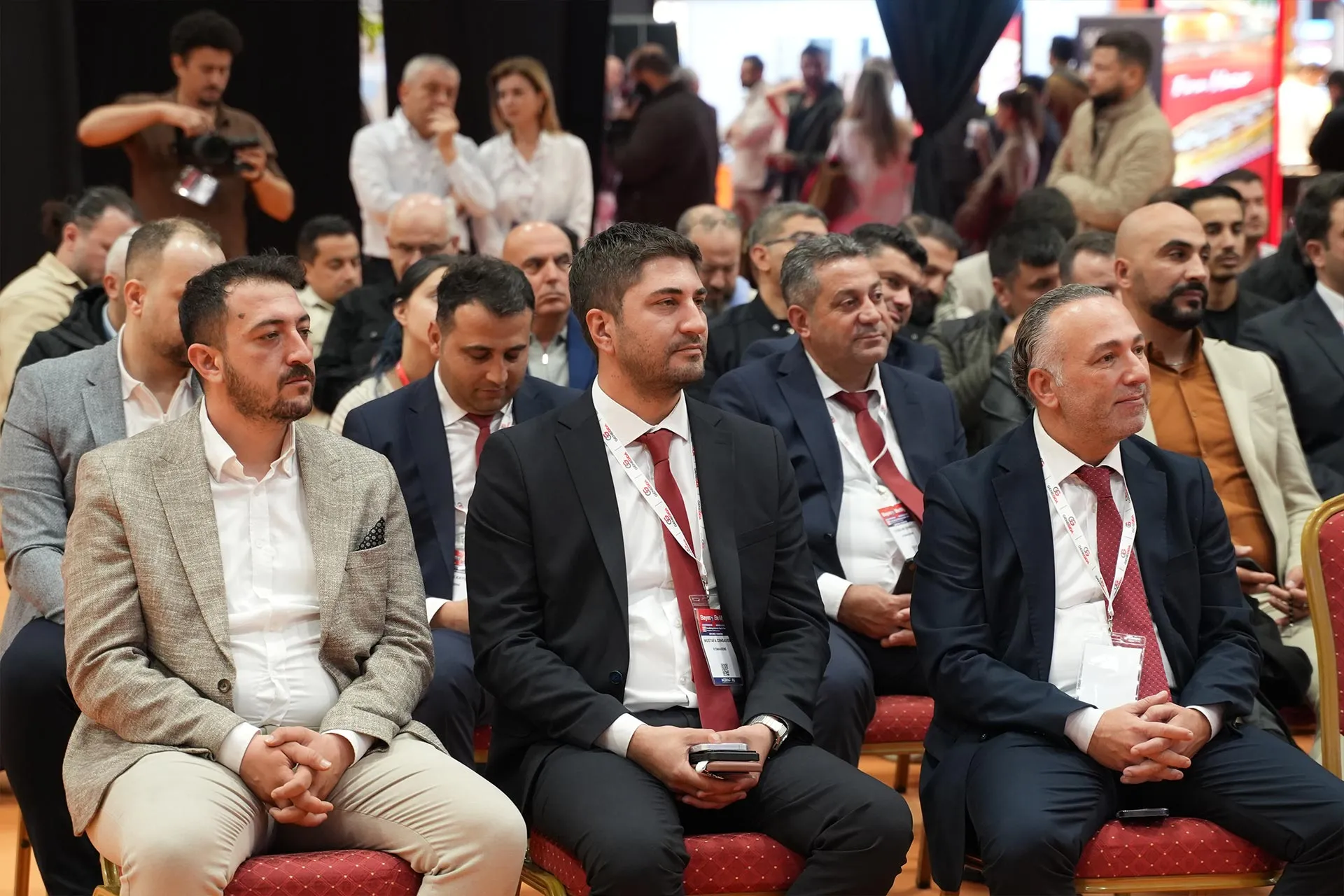
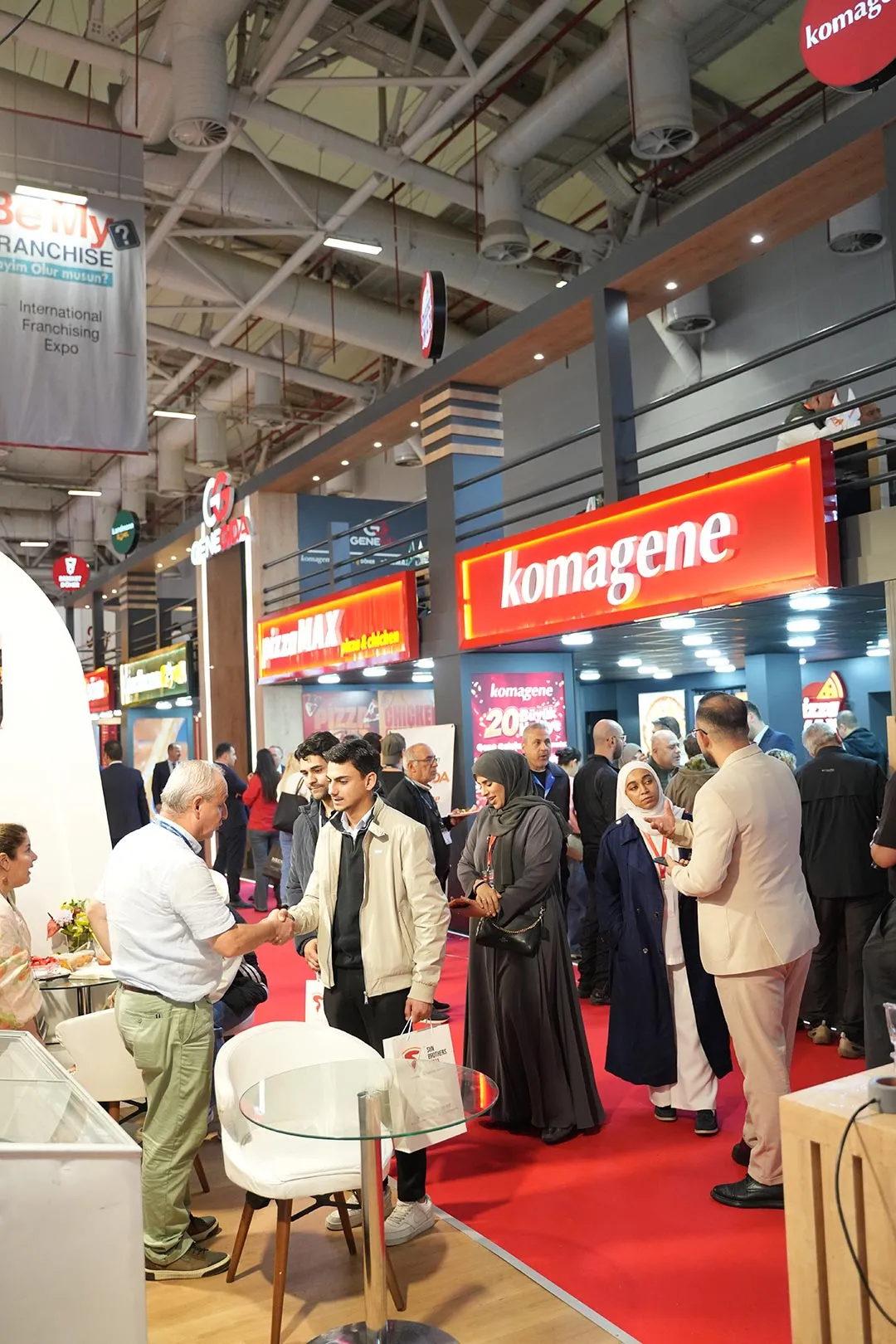
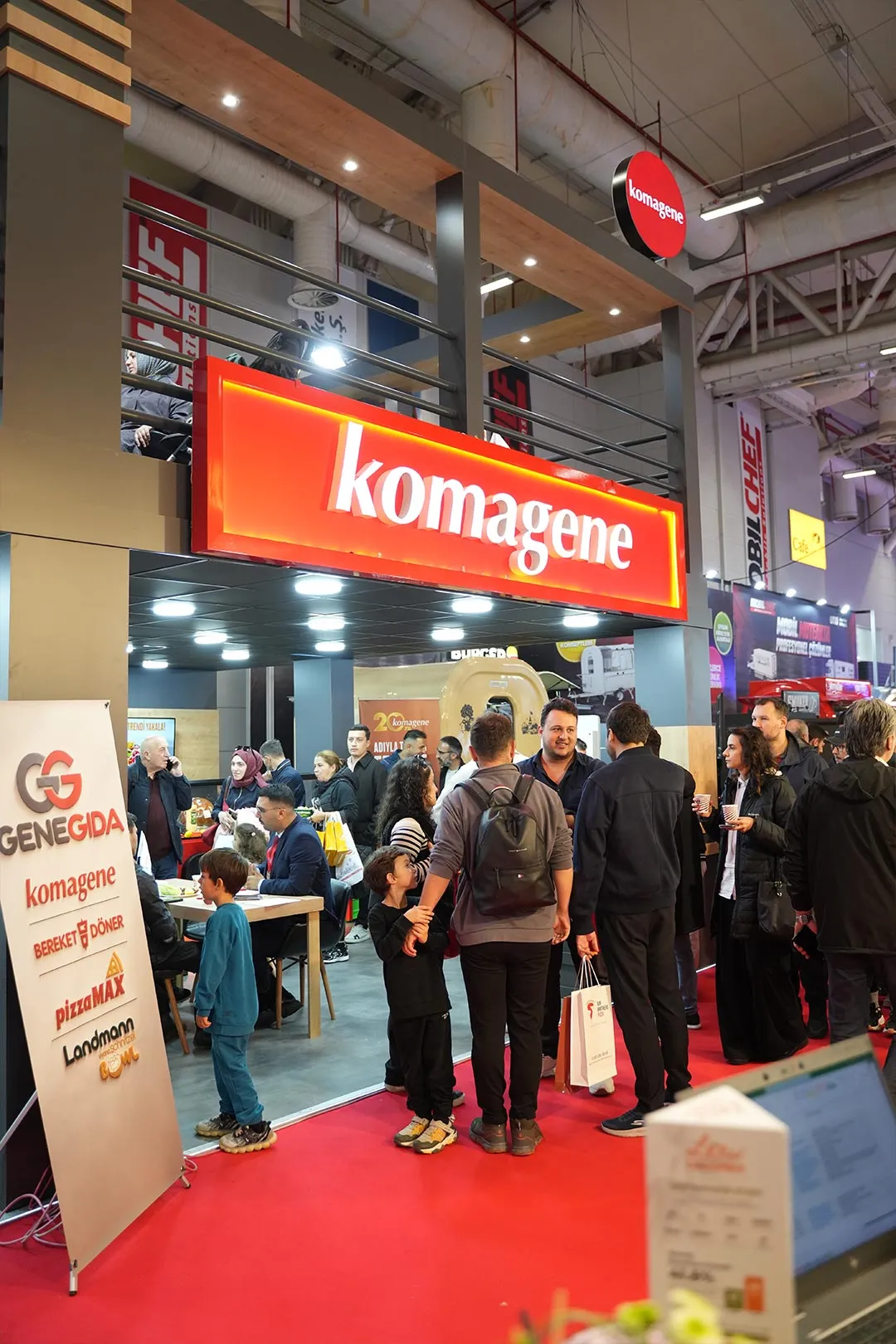
The Bayim Olur musun? – Be My Franchise Expo, a prominent event on the global franchise exhibition calendar and the largest franchise expo in Türkiye and its surrounding region, marked its 24th edition by introducing Franchise Market Talks – The Ideas Stage of the Franchise Ecosystem. The platform hosted GENE Gıda’s compelling growth story during a panel entitled “Multi-Brand Management in Franchising.”
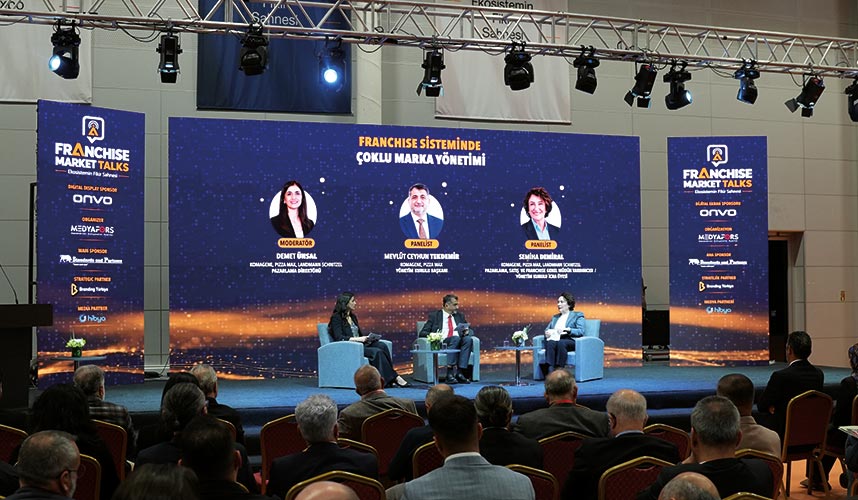
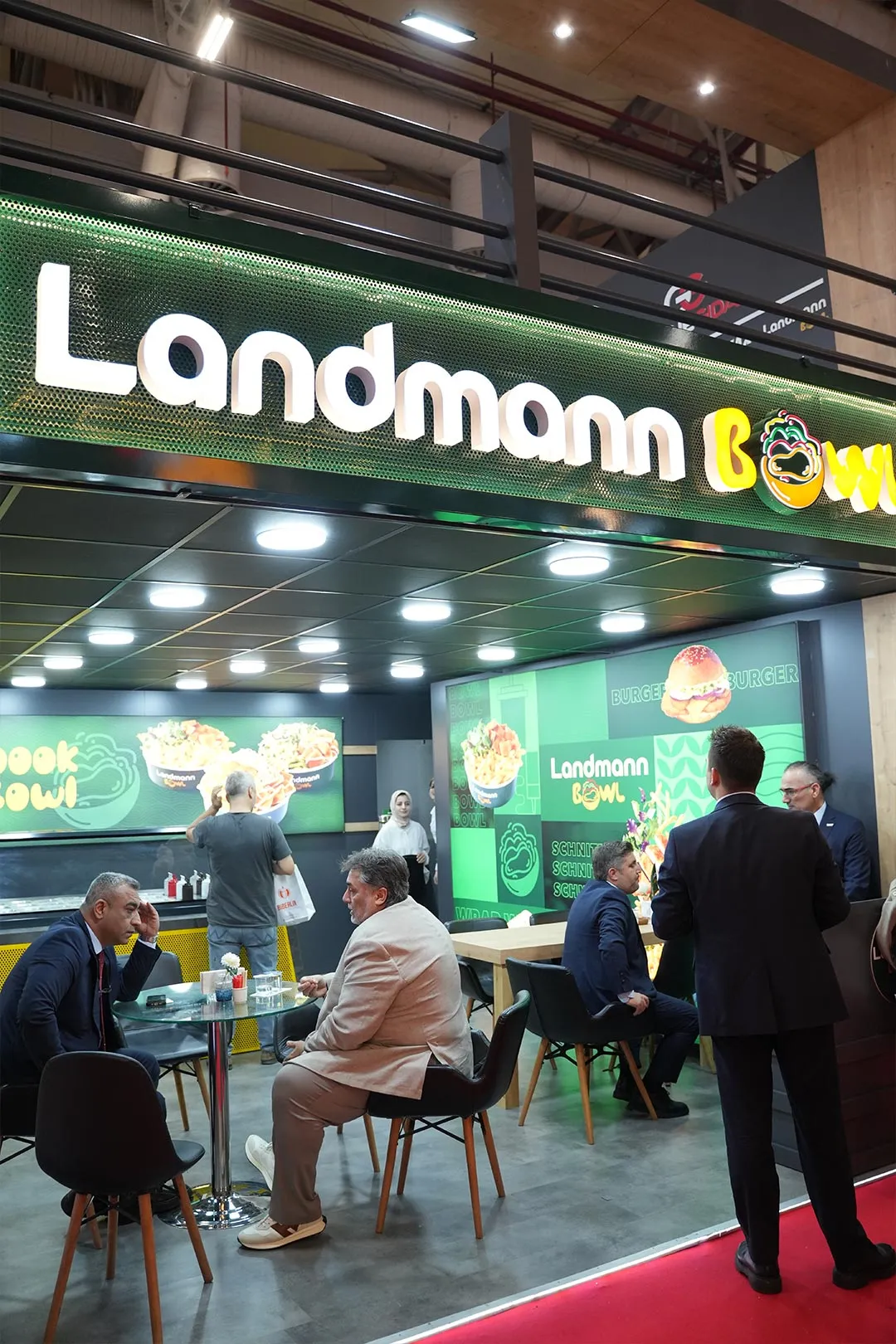
The discussion explored how a business model built on Komagene’s 20 years of field experience, extensive production capabilities and sophisticated logistics infrastructure has been successfully extended to support the growth of Bereket Döner, PizzaMax and Landmann Schnitzel Bowl. The case offered a compelling example of economies of scale and operational efficiency within the franchise industry.
Held on October 17, 2026, the panel examined the growth strategies, shared infrastructure, operating models and organizational structures of the four brands under the GENE Gıda umbrella.
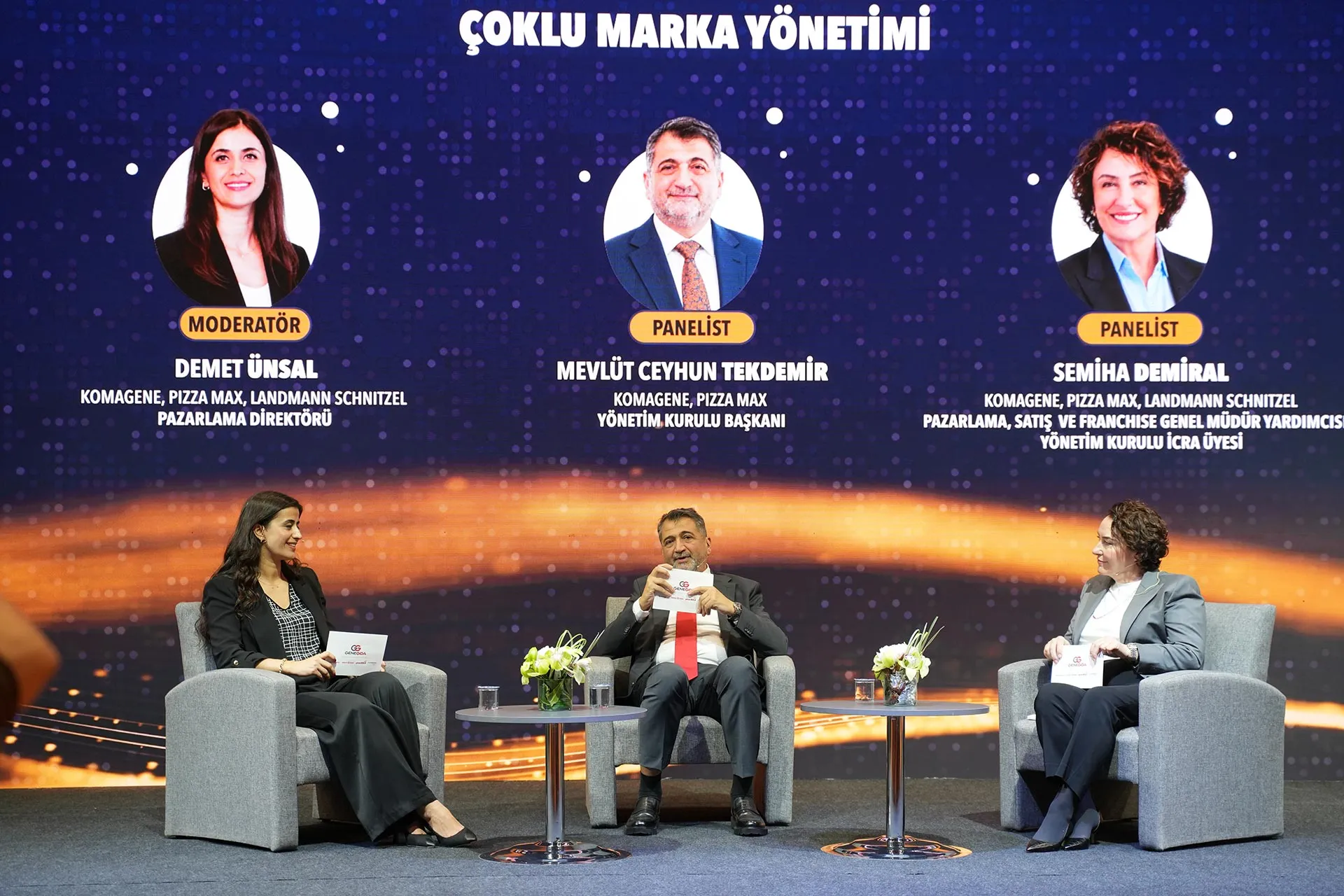
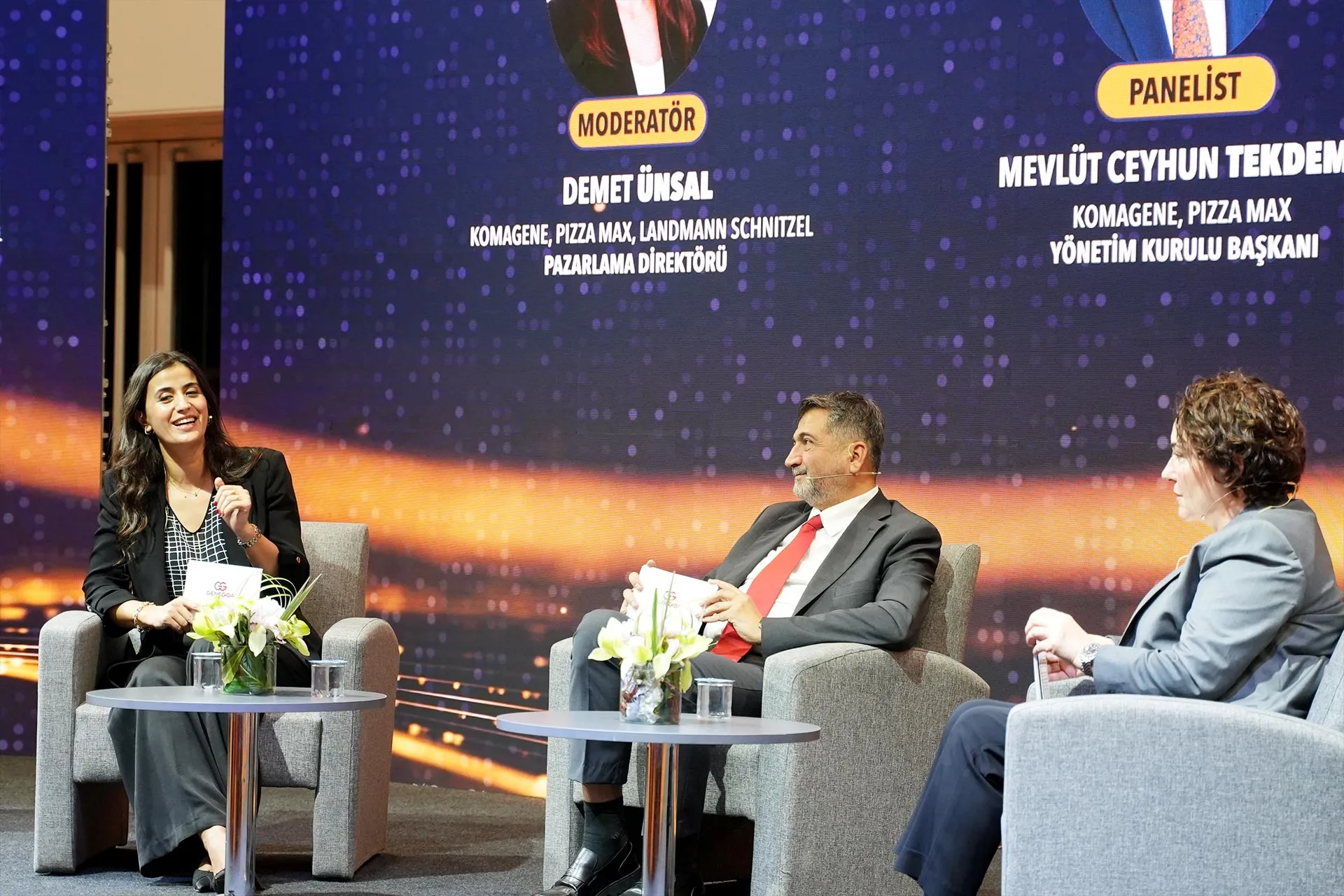
The session was moderated by Demet Ünsal, Marketing Director of Komagene, PizzaMax and Landmann Schnitzel. Joining her were Mevlüt Ceyhun Tekdemir, Chairman of Komagene and PizzaMax, and Semiha Demiral, Executive Board Member and Deputy General Manager responsible for Marketing, Sales and Franchising at Komagene, PizzaMax and Landmann Schnitzel.
Together, the speakers shared their perspectives on the advantages of multi-brand franchise management, franchisee selection criteria and their ambitious growth objectives.
From Komagene’s 20 Years of Field Experience to a Four-Brand Growth Model
With the largest franchise network in Türkiye by number of outlets, Komagene has developed extensive operational capabilities, a nationwide franchise infrastructure and substantial field management expertise over approximately two decades.
This experience now forms the operational foundation of GENE Gıda’s multi-brand management strategy.
By bringing Bereket Döner, PizzaMax and Landmann Schnitzel Bowl into its portfolio, GENE Gıda has established a four-brand structure spanning different foodservice categories and consumer segments.
Mevlüt Ceyhun Tekdemir explained that Komagene’s accumulated expertise in production, logistics, field operations and franchisee relations has created significant advantages for the growth of the group’s other brands.
He also noted that demand from existing franchisees for investment opportunities across different food categories and brands had influenced the group’s diversification strategy.
According to Tekdemir, rather than building entirely separate operating organizations for each newly acquired or integrated brand, GENE Gıda leverages the field expertise developed through Komagene alongside the group’s shared resources and infrastructure.
Bereket Döner provides a tangible example of this approach.
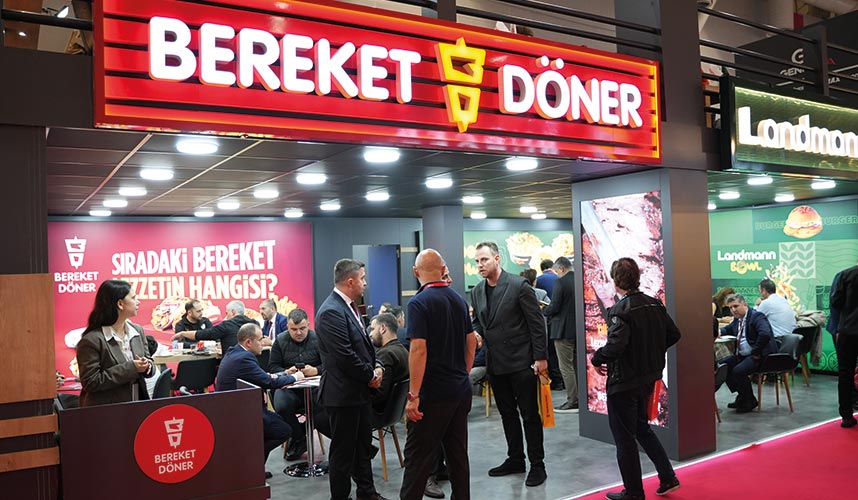
Tekdemir revealed that the brand had approximately 70 outlets when it joined the group and has since expanded to nearly 200 locations.
He emphasized that mutual trust with the brand’s former owner played a decisive role in the acquisition process, with GENE Gıda’s operational strength, management philosophy and business integrity helping to establish that confidence.
More Than 4,000 Outlets Supported by a Shared Infrastructure
Semiha Demiral announced that Komagene has reached approximately 3,850 outlets, while GENE Gıda now oversees more than 4,000 locations across its four brands.
She explained that extending the production capacity, logistics organization and human resources developed through Komagene to the group’s other brands has generated considerable operational efficiencies.
Existing Komagene franchisees can also expand their business portfolios by investing in PizzaMax, Bereket Döner and Landmann Schnitzel Bowl.
Tekdemir provided further insight into the scale of the group’s infrastructure.
GENE Gıda operates approximately 50,000 square meters of combined production, warehousing and logistics facilities, supported by more than 130 temperature-controlled delivery vehicles and 15 regional distribution warehouses.
This extensive infrastructure provides the group with a solid foundation for managing multiple foodservice brands through an integrated operating system.


Four Brands, One Management Platform: Economies of Scale and Efficiency
Explaining the operational advantages of multi-brand management, Semiha Demiral emphasized that sharing infrastructure across different brands improves capacity utilization while enabling more effective cost management.
Rather than establishing entirely independent management teams for each brand, the group makes extensive use of its existing workforce and organizational capabilities.
Its logistics fleet can transport products for multiple brands, while franchisees may benefit from shared operational resources, including certain delivery, storage and support functions.
GENE Gıda’s centralized structure for procurement, production, warehousing, logistics, training and field operations allows the expertise originally developed through Komagene to be transferred across the broader portfolio.
This approach enables the group to increase the utilization of existing facilities, distribute commercial risks across different foodservice categories and benefit from economies of scale.
Functions that would otherwise require separate management and support teams for each brand can be coordinated centrally.
At the same time, maintaining the individual identity of each brand remains a key consideration.
Demiral underlined that product development is guided by the expectations and consumption habits of each brand’s target audience.
Examples include new chicken products at PizzaMax, trials involving döner-based pizza at Bereket Döner, and bowl concepts developed for Komagene and Landmann Schnitzel Bowl.
The strategy combines the operational advantages of centralized management with the flexibility required to maintain distinct brand positioning.
One Franchisee, Multiple Brands: New Opportunities and Combined Concepts
The panel also explored how multi-brand management creates new investment opportunities for existing franchisees.
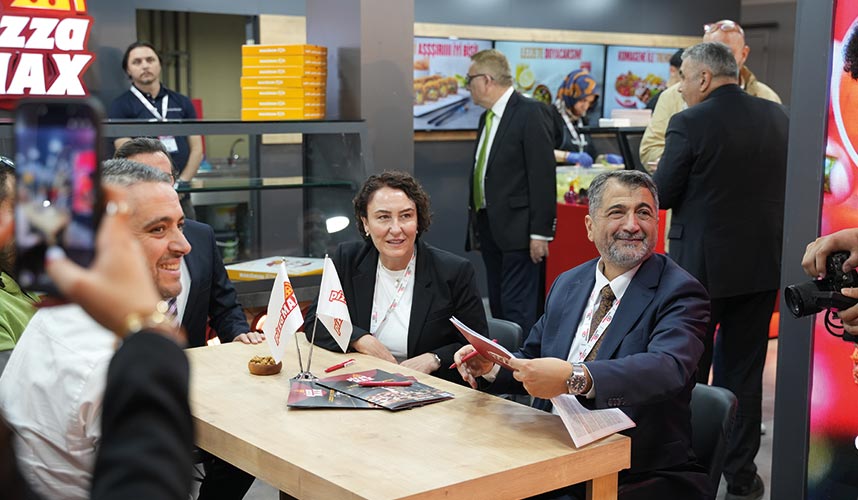
Komagene operators can diversify their portfolios by investing in PizzaMax, Bereket Döner or Landmann Schnitzel Bowl, benefiting from their familiarity with the group’s operating standards and support infrastructure.
Tekdemir explained that changing consumer preferences have made it increasingly attractive to operate different foodservice brands within the same location.
He revealed that some prospective franchisees have expressed interest in operating all four GENE Gıda brands simultaneously.
In response, the group has developed combined concepts that maintain separate financial accounts for each brand while allowing certain operational resources to be shared.
This model is designed to help franchisees capture demand across different food categories while making more efficient use of their operating capabilities.
However, expansion into additional brands is not automatic.
Demiral emphasized that even existing Komagene franchisees seeking a second outlet undergo a fresh evaluation.
Financial strength, managerial capability, operational competence and the ability to manage multiple businesses successfully are among the key criteria considered before additional franchise rights are granted.
The group’s approach reflects a clear distinction between the financial ability to invest and the operational ability to manage a growing franchise portfolio.
Five-Year Expansion Targets: Komagene Aims for 4,500 Outlets
Responding to questions from the audience, Semiha Demiral outlined the group’s long-term expansion ambitions.
She estimated that Komagene’s maximum potential footprint in Türkiye could reach approximately 4,500 outlets.
The group has also established targets of 350 locations for PizzaMax and 500 for Landmann Schnitzel Bowl.
Demiral stressed that expansion decisions are based on commercial potential, location suitability and the projected profitability of individual outlets.
Rather than pursuing outlet numbers alone, the group aims to ensure that each new location is supported by a commercially viable operating model.
A Potential IPO: Franchisee Profitability Remains the Priority
The possibility of a future public offering was another topic raised during the audience discussion.
Mevlüt Ceyhun Tekdemir confirmed that the group has received approaches regarding a potential stock market listing and has been consulting professional advisers on the matter.
However, he made clear that there is no intention to rush into an initial public offering.
According to Tekdemir, the immediate priority is to strengthen the group’s existing brands, support their sustainable expansion and ensure that franchisees operate profitable businesses.
Semiha Demiral also expressed a positive view of a potential IPO, while emphasizing that such a move would be part of a broader process rather than an immediate objective.
The executives presented franchisee profitability and long-term operational sustainability as essential considerations in evaluating the group’s future.

GENE Gıda Attracts New Partnership and Brand Acquisition Proposals
One of the panel’s most noteworthy revelations concerned growing interest from other brand owners in becoming part of GENE Gıda’s multi-brand ecosystem.
Mevlüt Ceyhun Tekdemir disclosed that the group has received proposals from owners of brands that have yet to realize their full growth potential.
These approaches include opportunities for strategic partnerships and proposals to transfer brand ownership to GENE Gıda.
Tekdemir explained that some entrepreneurs believe their brands could achieve greater scale by benefiting from GENE Gıda’s operational resources, management expertise and established franchise infrastructure.
He attributed this interest to the confidence generated by the group’s successful multi-brand management model.
The development suggests that GENE Gıda’s platform is increasingly being viewed by other brand owners as a potential vehicle for expansion, operational improvement and strategic collaboration.
Even Property Ownership Does Not Guarantee Franchise Approval
Another particularly revealing discussion concerned the group’s approach to franchise location selection.
Demiral explained that GENE Gıda uses detailed geographical analysis, dividing locations across Türkiye into spatial units of approximately 250 square meters to assess commercial potential.
The group combines geographical intelligence with market data, consumer demographics and local business indicators to evaluate prospective sites.
Demiral emphasized that a franchise application may be rejected even when the prospective investor owns the property where the business would operate.
If the group’s analysis indicates that the location is unlikely to generate sufficient profitability, the proposed outlet will not receive approval.
The panel also revealed that online orders account for approximately 40% of Komagene’s retail sales, underscoring the importance of digital sales channels in the brand’s operating model.
Food Safety and Cold-Chain Logistics: A Call for Stronger Oversight
Mevlüt Ceyhun Tekdemir also highlighted the critical role of temperature-controlled distribution in maintaining food safety standards.
He expressed concern that certain food products continue to be transported between cities without appropriate temperature-control conditions.
Tekdemir called for stronger preventive measures and more effective oversight, emphasizing that food safety must remain a fundamental responsibility across the food production and distribution industry.
The group’s investment in cold-chain logistics was presented as a central component of its operating philosophy and its ability to maintain reliable deliveries across a large franchise network.
“Franchising Is a System”
One of the panel’s defining messages came from Semiha Demiral’s assessment of what makes a franchise business sustainable.
“Franchising is a system. It is not simply a product, an outlet or a store.”
Demiral emphasized that successful franchising depends on a well-designed business model, comprehensive training, continuous operational support and the financial success of franchise partners.
The GENE Gıda case demonstrates how the field experience accumulated by an established franchise brand can become a valuable strategic asset when deployed through a structured multi-brand organization.
Economies of scale, shared infrastructure, operational efficiency and opportunities for franchisees to expand across complementary brands are among the defining features of this approach.
Ultimately, the model illustrates how a proven operational platform can support the growth of multiple brands while maintaining a strong focus on sustainable franchisee profitability.